
“Dame Hombro” Explained: How the Bulin 47 Shoulder Dance Took Over
Who Bulin 47 is, how “Dame Hombro” with Kevin Wai started as a street improvisation outside a Madrid club, why the shoulder bounce spread, and what the trend means for your own video.
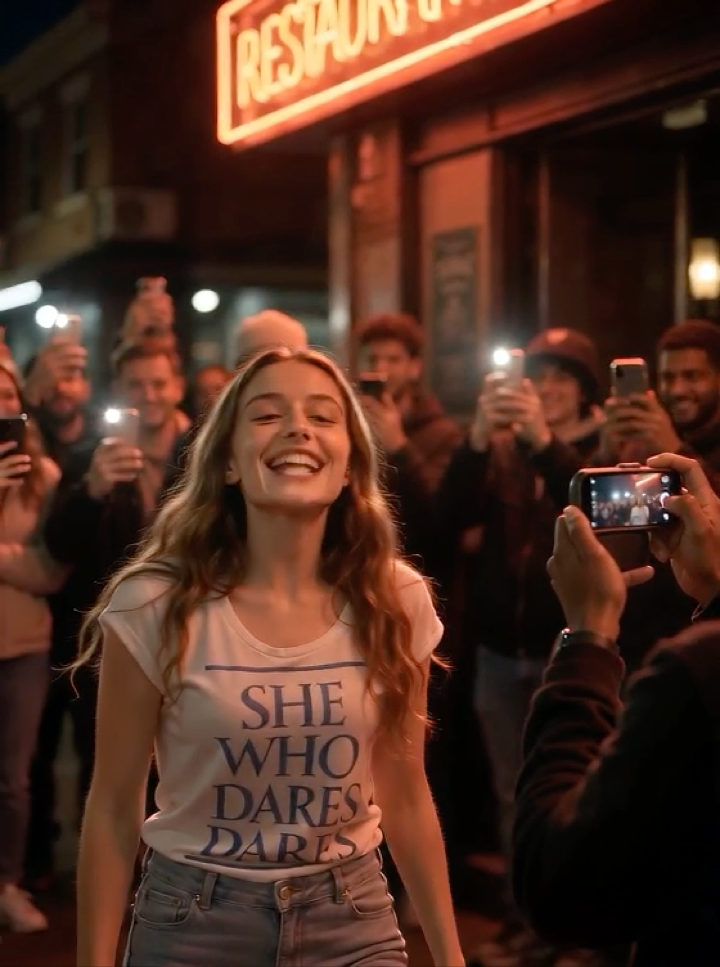
If you have scrolled short video in the last few weeks, you have seen it: a crowd outside a lit-up doorway, someone holding a speaker at shoulder height, and a row of people bouncing one shoulder in time. The clip is usually tagged Bulin 47 and the track is called “Dame Hombro.”
Here is where it came from, why it looks the way it does, and how to use the trend without copying someone else's footage.
Who Bulin 47 is
Bulin 47 is the stage name of Teodoro Vargas Reynoso, a Dominican dembow artist who came up in Capotillo, a barrio in Santo Domingo. Dembow is the Dominican cousin of reggaeton — faster, with a shuffled three-beat pattern — and Bulin 47's style leans on it heavily: clipped phrasing, a lot of space, and hooks that are almost chant-like.
He was already known in Dominican and Latin American rap circles before this song. “Dame Hombro” is the one that crossed into a much wider audience.
“Dame Hombro” and Kevin Wai
The track is a collaboration with Kevin Wai, and the version everyone is dancing to came together in a way that is unusually literal for a viral hit.
“Dame hombro” translates roughly to “give me shoulder” — an invitation to lean in, bounce and move together. According to reporting on the track, the idea started as an improvised moment between the two artists on the street outside Shoko, a nightclub in Madrid. What began as a joke and a dance move became a recorded song.
The studio release landed on October 7, 2026, with the official video following on October 8. Spanish-language outlets covered it quickly; Diario Libre wrote up the “Dame Hombro” phenomenon, and Infobae covered the Sebastián Villa angle that pushed it further into football fan feeds.
Dates and details in this section are based on public reporting at the time of writing. If you are citing the song for a school project or article, check the original coverage and the artists' official channels.
Why the shoulder bounce spread
Most dance trends need a full routine. This one needs one joint.
The shoulder bounce is the whole move: one shoulder lifts and drops on the beat while the rest of the body stays loose. It is easy to copy from a five-second clip, works while sitting, standing or walking, and reads clearly even on a small phone screen. That is close to a perfect format for short video.
The setting does the rest of the work:
- The doorway at night. A red or warm-lit entrance gives the clip a stage without a set.
- The speaker at shoulder height. A friend holds it up, so the music is visibly coming from the group, not from a studio.
- The crowd filming. A ring of phones makes it feel like something is happening right now.
- The laugh at the end. The performers break character, which makes it feel real rather than choreographed.
Put those four things together and you have a clip that looks like it was filmed by a friend — which is exactly why it traveled.
Why people are making their own versions
Watching a trend is one thing; being in it is another. Most people who want to join in do not have the original clip, do not have a crowd outside a Madrid club, and are not going to fly to one.
That gap is what the Bulin 47 AI effect fills. It takes one portrait photo and generates the scene: the red-lit doorway, the friend with the speaker, the onlookers, the shoulder bounce and an original dembow-style beat. You get your own version of the trend instead of a face-swapped copy of someone else's video.
If you would rather build the whole thing yourself, the rap song generator writes a dembow-ready track from a theme, and the video effects tool is where the visual effect lives.
Where the trend goes next
Two things usually happen to a hit like this. First, the sound gets reused in unrelated contexts — sports edits, graduation posts, brand accounts. Second, the dance gets remixed: slower versions, sped-up versions, versions where more people join in.
Both are good news if you are making content. The format is elastic enough to carry a birthday roast, a couple's announcement or a brand announcement without breaking.
Frequently asked questions
Is “Dame Hombro” by Bulin 47 or Kevin Wai?
It is a collaboration between the two artists. Bulin 47 is the Dominican dembow artist behind the track, and Kevin Wai is the collaborator on the version that went viral.
What does “dame hombro” mean?
It translates roughly to “give me shoulder” — a playful invitation to lean in and bounce together. It is not a standard Spanish idiom; it became a phrase because of the song.
Where was the viral clip filmed?
Reporting describes the idea starting as a street improvisation between the two artists outside Shoko, a nightclub in Madrid. The official video came out on October 8, 2026, a day after the song's release.
Can I use the original audio in my video?
The original recording belongs to the artists and their label, so reusing it has licensing implications, especially for commercial posts. The Bulin 47 AI effect generates an original dembow-style beat instead, which avoids that issue.
Make your own version
If the trend made you want to be in it, start with one good photo. Read how to make a Bulin 47 AI video for the photo checklist, or browse 15 ideas for what to do with the effect if you want a concept before you upload.
RapVid is an independent tool and is not affiliated with Bulin 47, Kevin Wai, Shoko or their labels. Reporting referenced in this article comes from Diario Libre and Infobae; details may change as the story develops.